
This week is Global Atrial Fibrillation (AF) Awareness Week!
AF is a type of abnormal heart rhythm (arrhythmia) that causes an irregular heart rate. It is the world’s most common heart rhythm disorder – and affects more than 1.6 million people in the UK alone.
Did you know that AF often has no symptoms at all?
Many people do not even know they have it and AF is often only discovered during routine tests or investigations for other conditions.
Although AF is manageable, if left untreated it can increase the risk of stroke and heart failure. This makes early detection, treatment, and ongoing management incredibly important.
That’s why, this week, we’re encouraging everyone to CHECK YOUR PULSE! ❤️⏱️
A normal resting heart rate is steady and is usually between 60 and 100 beats per minute. If you have AF, your pulse will usually have no set pattern, and the beats may vary in strength.
This YouTube video from the BHF shows you how to check your pulse. If you take your pulse and notice an irregular heartbeat, speak to your GP.
Thank you to the NHS Arrhythmia teams!
This week, we’d also like to give a special shout-out to the NHS Arrhythmia Service teams, based across our local hospitals.
The teams provide specialist care and support to patients living with abnormal heart rhythm conditions, including atrial fibrillation.
Through their nurse-led arrhythmia clinics, they provide expert assessments, follow-up care and support patients throughout their diagnosis, treatment and management journey.
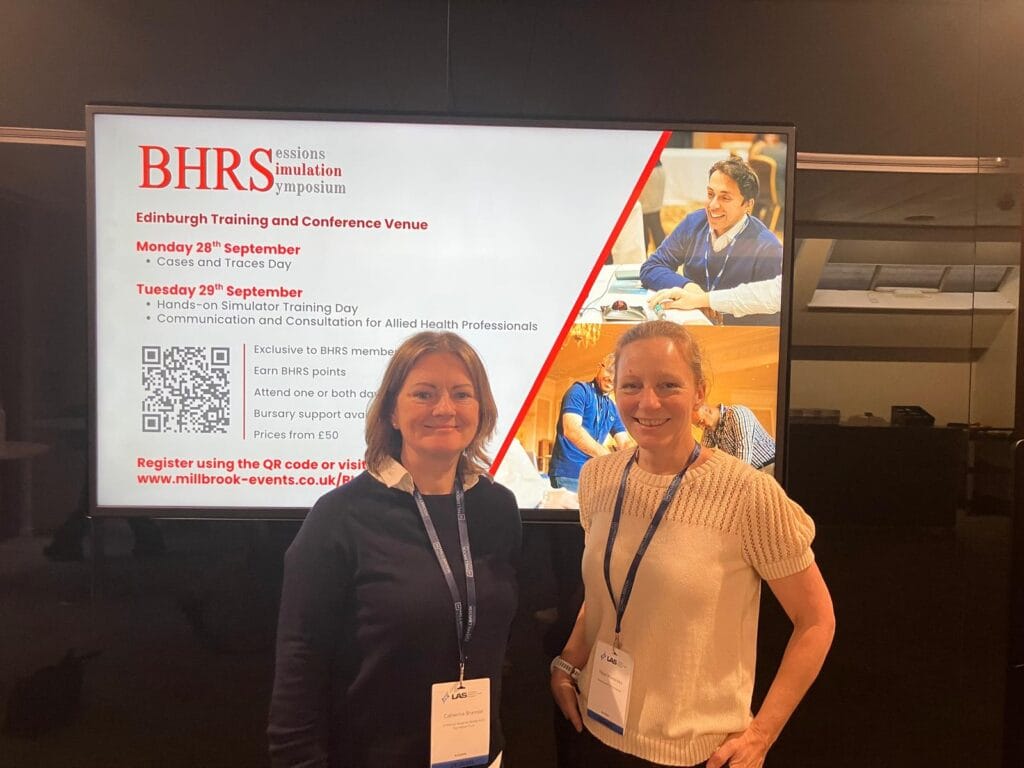
Pictured above are members of the Brighton Arrhythmia team at this year’s London Arrhythmia Summit. We were delighted to provide educational bursaries to support the team in attending the event.
A big thank you to all the local Arrhythmia teams for the specialist care, dedication and support they provide to patients every day. ❤️