

During February and to celebrate National Heart Month, we shared a series of ‘heart health advice’ posts across our social media.
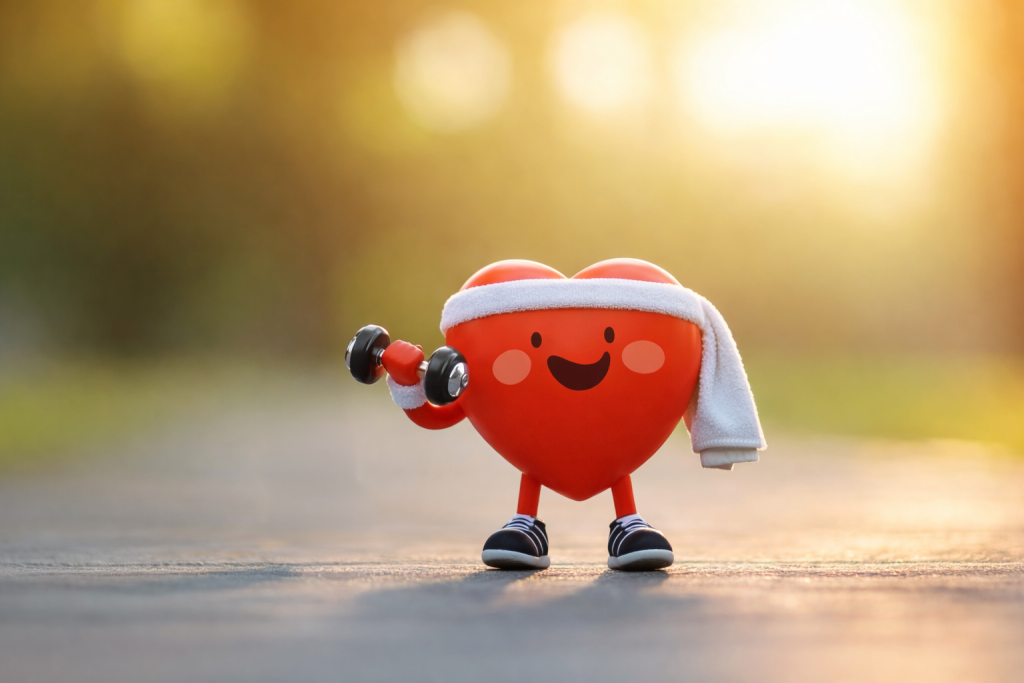
The posts also introduced our new heart buddy – who has gained a lot of admirers over the last month! (Don’t worry, heart buddy will be back!)
We thank Martina for providing us with all the health information and advice. As the cardiac rehab lead for Brighton and Haywards Heath, Martina knows the importance of looking after your heart and was keen to promote heart health.
“I hope the advice I’ve shared let’s people know that even making small changes to their everyday habits can make a difference and can support heart health and long term wellbeing” – Martina
We would like to share all of Martina’s heart healthy tips and we encourage everyone to give your heart some love!
Eat well!
Caring for your heart starts with everyday healthy eating habits.

- Try to focus on a Mediterranean diet, which is rich in whole foods, vegetables, fruit, beans and fish and is low in processed and sugary foods.
- Eat at least five portions of fruit and vegetables every day
- Reduce saturated fat by choosing lower fat options
- Avoid using salt (as this can raise your blood pressure)
For a healthy heart and diet the key is balance – everything in moderation.
Stay Active!
Exercise is part of caring for your heart – even a little exercise each day can help your heart stay strong at a pace that’s right for you.
- Begin slowly and build up gradually
- Always include a warm-up and a cool down
- Aim for 3 -5 exercise sessions per week (recommended up to 150 mins per week)
- Choose activities you enjoy
- Stay hydrated
- Check with your GP or specialist before starting a new routine
Little steps can put in you in the right direction.
Know your limits!
Cutting down on alcohol can improve your heart health and overall wellbeing. Drinking too much can increase your blood pressure, affect your cholesterol levels and lead to weight gain. Excessive drinking over a long time can lead to illnesses such as heart disease.

- Aim for less than 14 units a week
- Avoid binge drinking
- Have several drink-free days each week
If you want to cut down on alcohol, your GP can help. Remember every step you take towards healthier choices is a step towards a stronger heart.
Stay smoke free!
Quitting smoking is one of the most powerful things you can do to improve your heart health.
Smoking damages your blood vessels, makes your blood more likely to clot and raises your heart rate, blood pressure and cholesterol. It is a leading preventable cause of heart attacks and strokes.

What happens when you stop – it’s never too late to quit and the benefits begin quickly. Within, 2 – 12 weeks your circulation improves and everyday activities becomes easier. After one year your risk of heart attack can be reduced by around half compared with someone who continues to smoke.
Every smoke-free day is a step towards a stronger, healthier heart.
You do not have to quit alone. Speak to your GP for help or access free NHS Stop Smoking support.
Know your numbers!
Checking your blood pressure and cholesterol helps protect your heart and can reduce the risk of heart attack and stroke.

- High blood pressure often has no symptoms.
- Your body needs some cholesterol, but too much (especially from saturated fats), can narrow arteries and increase heart disease risk.
Regular checks matter. Take control of your health – routine checks can help with early detection and prevention.
Anyone with pre-existing conditions should be offered regular check-ups – and if you’re over 40, you may be eligible for a free NHS Health Check – contact your GP or local pharmacist for more info.
Happy hearts and happy minds!
Excessive stress can lead to increased heart rate and high blood pressure; some patients even attribute their heart attacks to stress.
Learning how to reduce your stress and anxiety levels will improve your wellbeing and help your heart.

- Take time out for yourself – find something that helps you relax.
- Mindfulness can be highly effective in managing stress: Pay attention to your thoughts and feelings by focusing on the present moment. Notice the everyday and pause to take in the sights, sounds, smells and tastes of your daily life.
- Connect with nature and appreciate the world around you – enjoy some fresh air, take a walk on the beach or in a green space – being in nature can help lift your spirits.
- Get active – moving is a natural mood booster. Exercise can improve your mood and boost your energy.
- Meditation and breathing techniques – having an awareness of your breathing can help you stay calmer, release tension and sleep better.
Take the time to look after yourself – prioritising your mental wellbeing in your everyday life will benefit your physical health and is essential for living a healthy and happy life”
Love your heart and make small positive changes today, they could make a big difference.
Further Information
If you’d like further information or support, here’s some useful resources to check out:
Healthy living advice – NHS Live Well:
Mental wellbeing support – NHS Every Mind Matters:
https://www.nhs.uk/every-mind-matters
Meditation app – Headspace: